Medical Equipment Financing: A Guide for Practices and Clinics
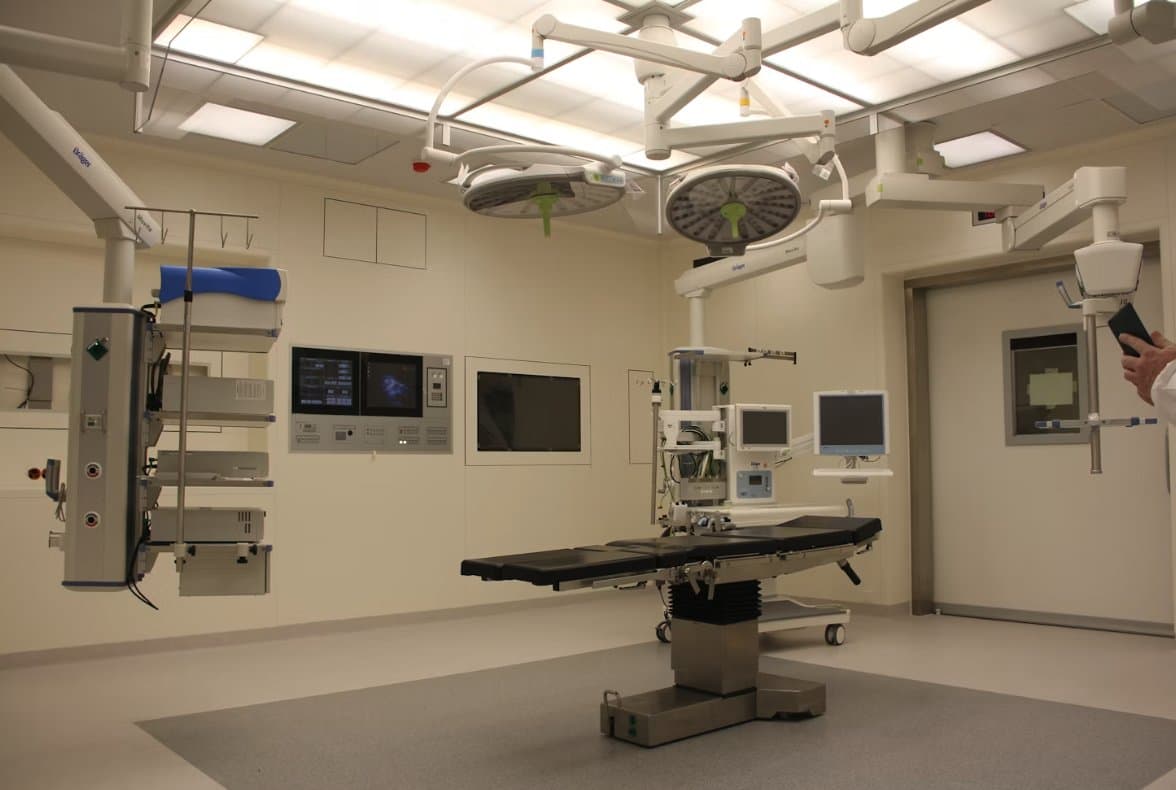
- Lenders weigh practice revenue, payer mix, and reimbursement timing alongside standard credit and time-in-business factors.
- Equipment likely to be upgraded within a few years (imaging, lab tech) is often leased; longer-life equipment is often financed with a loan.
- Newer practices can qualify, though provider credentialing and personal credit tend to matter more without an established revenue history.
Medical equipment — diagnostic imaging systems, surgical equipment, lab and diagnostic tools, practice technology — represents some of the highest-cost purchases a healthcare business makes, and financing it well can be the difference between a purchase that strains cash flow and one that pays for itself through added patient capacity.
What lenders consider for medical equipment
- Practice revenue and payer mix, since reimbursement timing affects cash flow available for payments.
- Whether the equipment is revenue-generating (e.g., imaging that supports new billable procedures) versus purely operational.
- Useful life and technology obsolescence — some diagnostic equipment is updated frequently, which can favor a lease structure.
- Provider credentialing and time in practice, particularly for newer practices.
Loan or lease for medical equipment?
Practices often lease equipment that's likely to be upgraded within a few years (imaging, lab technology) and finance with a loan for equipment with a longer useful life. There's no single right answer — it depends on your equipment roadmap and how your accountant wants the purchase treated.
Five North Capital works with institutional lenders that understand healthcare practice financials, so your equipment inquiry is reviewed by a lender who already knows how to evaluate a medical practice — not a generalist starting from scratch.
Tell us about the equipment you need — we'll do the work to get it financed.